

Your data scraping script just failed again. The target website blocked your requests, even though you thought you were using a "proxy." The problem might not be your IP address, but the type of proxy you chose. Many users get stuck comparing SOCKS5 vs HTTPS without understanding why their choice matters for real-world tasks.
This confusion leads to questions like "What is the difference between SOCKS proxy and HTTP connect?" and "Is SOCKS5 better than HTTPS?" The answer isn't a simple ranking. It's about using the right tool for the job. Using an HTTPS proxy for a torrent client is like using a screwdriver to hammer a nail - it might work clumsily, but it's not designed for it.
We'll clarify the socks5 vs https proxy landscape. You'll learn the practical distinction, identify which protocol serves your specific goal, and understand how a service like UnoProxy provides the right infrastructure for both.
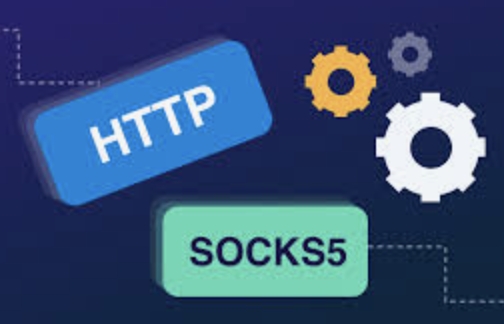
What is an HTTPS Proxy? (The Web Specialist)
Think of an HTTPS proxy as a dedicated interpreter for your web browser. It is built specifically to handle HTTP and HTTPS traffic, the language of the internet.
- --How it works: It acts as an intermediary. Your browser sends a request to the proxy, which then forwards it to the web server, receives the response, and sends it back to you.
- --Key Strength: Understanding Web Content. It can read and interpret the data it relays. This allows it to filter malicious content, cache websites for faster loading, and manage web-specific elements like cookies and headers. The 'S' in HTTPS signifies it encrypts this web traffic.
- --Best For: Tasks confined to a web browser. This includes secure browsing, automated social media management, complex web scraping that requires session handling, and accessing geo-restricted websites.
What is a SOCKS5 Proxy? (The Universal Courier)
A SOCKS5 proxy, in the socks5 vs https debate, is better seen as a general delivery tunnel. It doesn't inspect the package; its job is to transport any type of traffic from your device to the destination.
- --How it works: SOCKS5 operates at a lower network level. It simply relays your internet traffic packets without interpreting them. It can handle web traffic, email protocols, file transfers, and peer to peer connections.
- --Key Strength: Versatility. Its protocol agnostic nature makes it ideal for routing traffic from any application, not just browsers. It is exceptionally good at helping applications bypass firewalls or network restrictions.
- --Best For: Supporting non web applications like gaming clients, torrent software, or older email programs. It is also preferred for high bandwidth P2P activities where raw throughput is more critical than content inspection.
The Core Difference: A Simple Analogy
- -HTTPS Proxy: Like a specialized corporate mailroom. It handles only business letters (web traffic), can screen them for threats (security filtering), and even make copies of frequent requests for faster delivery (caching).
- -SOCKS5 Proxy: Like a basic shipping service. You give it a sealed box, it delivers the box. It does not open it or care if the contents are documents, software, or physical goods (any protocol).
So, Is SOCKS5 Better Than HTTPS?
Asking "Is SOCKS5 better than HTTPS?" is like asking if a truck is better than a sports car. Their value depends on the load and the road.
Choose an HTTPS Proxy if:
- --Your primary activity is web browsing or browser automation.
- --You are web scraping and need to manage cookies, sessions, and headers to mimic a real user.
- --Security, content filtering, and encryption for web traffic are your main priorities.
Choose a SOCKS5 Proxy if:
- --You need to connect a specific, non browser application (e.g., a game, uTorrent, or a legacy software) through a proxy.
- --Your primary goal is to route any application's traffic through a firewall or simple IP barrier.
- --You are engaging in high volume P2P file sharing where speed is paramount.
UnoProxy: The Infrastructure for Your Proxy Choice
Understanding the socks5 vs https proxy theory is the first step. The second is choosing a service that provides a reliable foundation for both protocols. This is where UnoProxy delivers critical advantages.
UnoProxy is built for stability and scale. Whether you configure an HTTPS proxy for delicate web scraping or a SOCKS5 connection for a data intensive application, the underlying infrastructure matters. UnoProxy provides access to a vast, clean pool of residential and datacenter IPs. This extensive IP pool ensures you can find the right geographic location and IP type for your specific task, reducing the risk of blocks and bans.
More importantly, UnoProxy's network is engineered for consistent uptime and reliable connection speeds. This stability is what transforms a theoretical protocol choice (SOCKS5 vs HTTPS) into a practical, working solution. Your scripts run without interruption, and your applications maintain steady connections.
Making the Right Choice for Your Work
Start with these two questions:
1. "What specific software or task needs the proxy?" (Web browser/tool = lean HTTPS. Other standalone app = check for SOCKS5 support).
2. "What is my primary objective?" (Security/web task precision = HTTPS. General routing/application support = SOCKS5).
The right proxy protocol solves half the puzzle. A stable, well maintained proxy service like UnoProxy solves the other half by providing the high quality IP resources and network reliability your projects depend on.
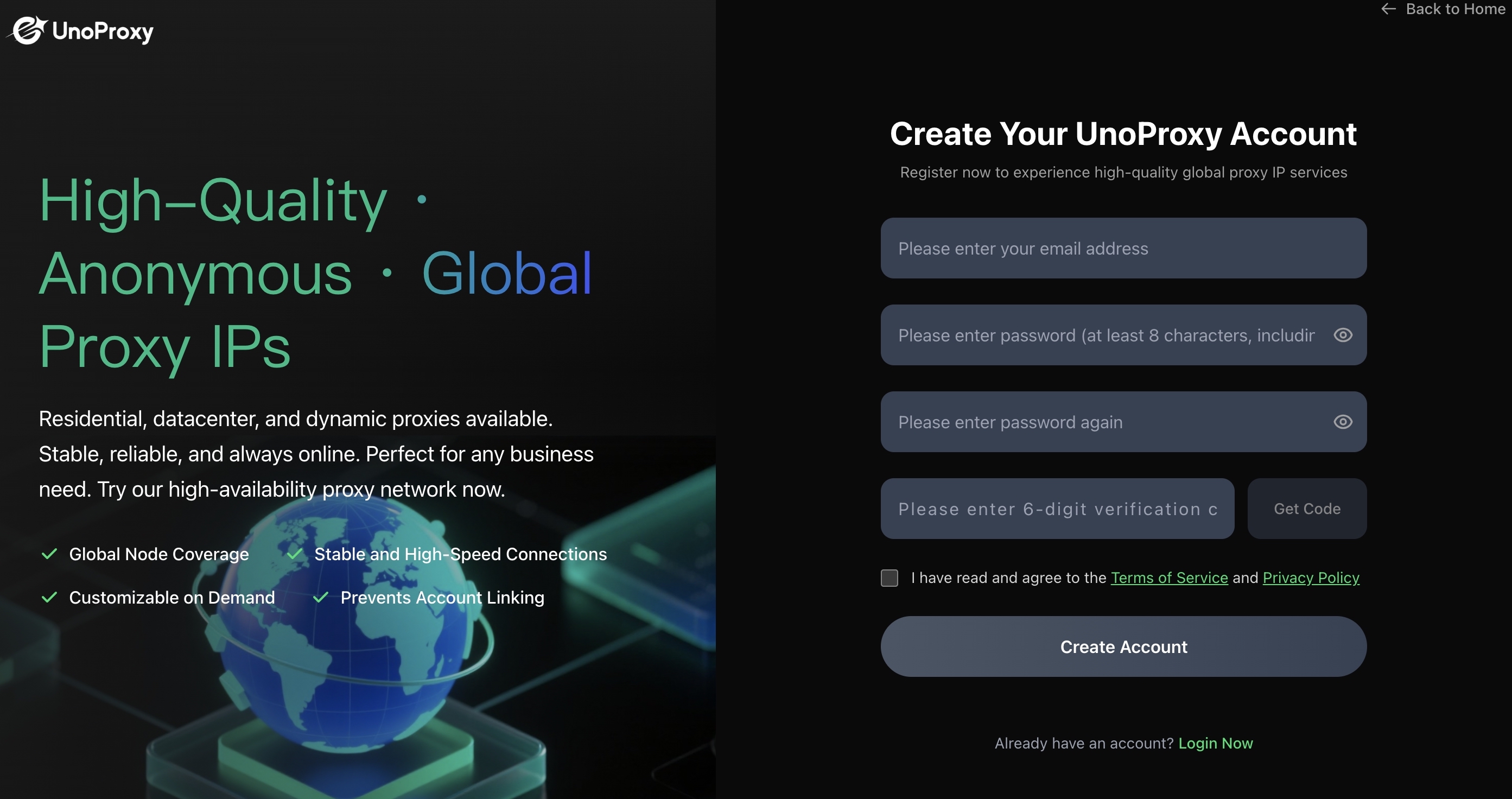
Ready to implement the right solution? Theory meets practice during testing. Review the official UnoProxy documentation for clear guidance on setting up both SOCKS5 and HTTPS proxies for various use cases. The best way to see the difference is to try it yourself. Sign up for a trial and test each protocol with your real world application to experience the performance and stability firsthand.
